Stables and fields
Every stable and field with its size, type and monthly price. Who is where, which places are free and from when. That overview decides whether you can take on a new enquiry.
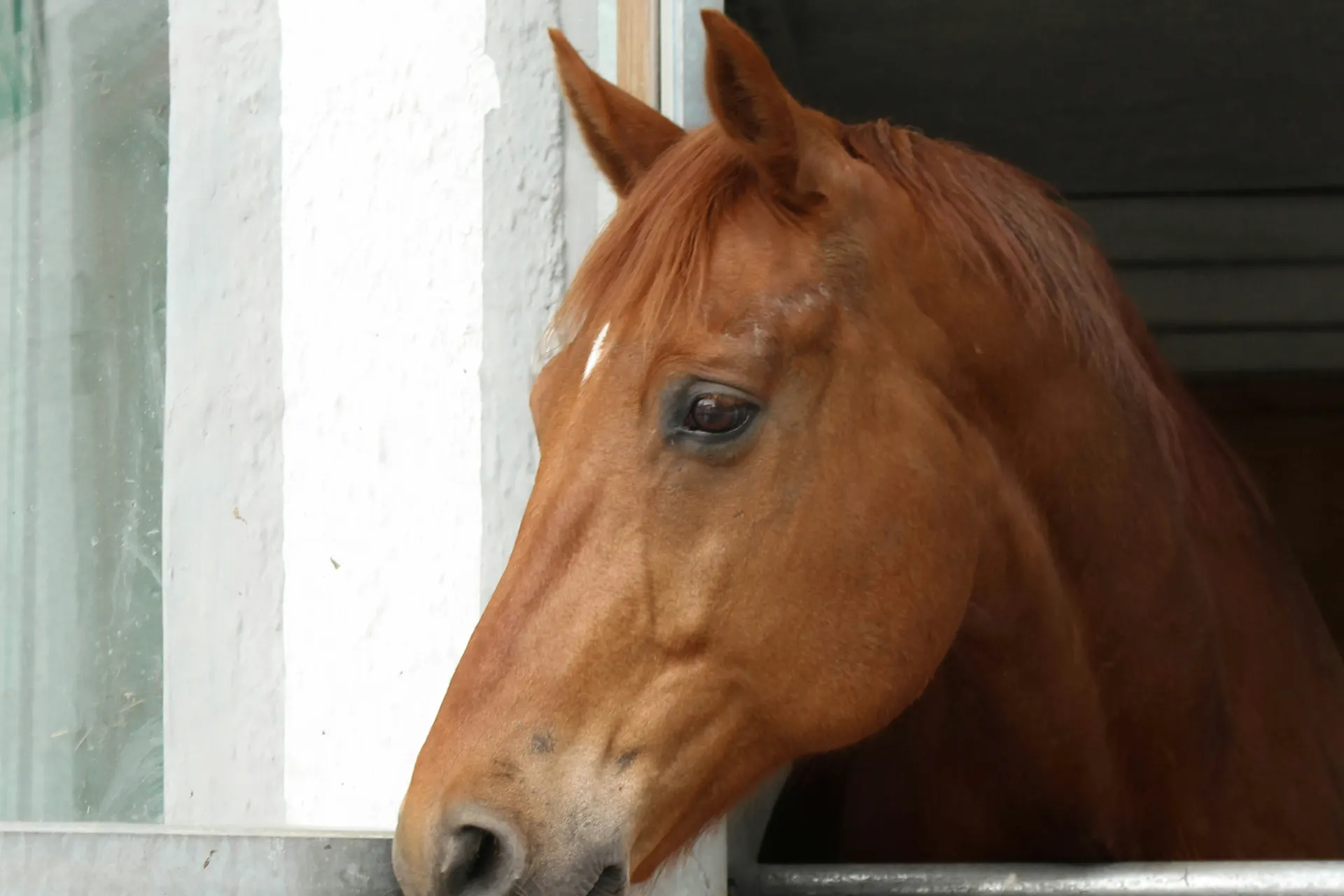
Running a livery yard comes down to three lists that must never contradict each other: which horse is in which stable or field, who the owner is and what that owner pays per month. Around those lists sits the daily work: feeding, turnout, the farrier, the vet and the arrangements with owners who come to do their own horses. As long as those lists live on paper, in a spreadsheet and in your head, every horse that moves and every price change means doing the same job three times.
Most yards in the UK work with a handful of packages: full livery, part livery, DIY livery and often grass livery in summer; in the US the same split appears as full board, partial board and pasture board. Each package has its own price, and on top come the extras: additional hard feed, lunging, a solarium session or an extra turnout. Those extras are what make invoicing awkward, because they differ per horse and per month.
A livery yard differs from a riding school in that there is no lesson timetable driving everything. The rhythm is set by the month: at the end of it, every horse, every extra and every change has to be right on the invoice. Prepare that moment well and the rest of the month is yours for the horses.
Livery yard software is therefore first of all a yard plan that is wired to invoicing. A horse that moves from a stable to a field halfway through the month should get the new price on the next invoice automatically. That is the core; everything else, such as the horse record, the care diary and communication with owners, builds on top of it.
Six things that come back at every yard, whether you have six horses or sixty.
Every stable and field with its size, type and monthly price. Who is where, which places are free and from when. That overview decides whether you can take on a new enquiry.
Full, part, DIY or grass livery, with the matching price. Change the package and next month's invoice changes with it.
Who owns the horse, who can make decisions when the vet is called, who receives the invoice. Owners who are not members of a club or school belong on that list too.
Microchip number, date of birth, vaccinations, worming and treatments. During an inspection or a vet visit you want that on one screen, not in a folder in the office.
Feeding, turnout, farrier and dentist as recurring tasks, so nobody has to remember when which horse is due.
Livery plus extras per horse, with the right VAT treatment, as an invoice to the owner. This is where most yards lose the most time.
In this order the switch costs the least time, because each step builds on the previous one.
Add every stable and field with its size and livery type. That is your base; everything after it hangs off a stable or field. Add the monthly price straight away, inclusive or exclusive of VAT according to how you invoice now.
For each horse you choose where it is this month and who the owner is. In EquiManage this also works for owners who do not have an account; they simply receive their invoice by email.
Let the software build the first month of invoices and put them next to your current ones. Differences almost always point to an extra you used to count from memory. Record it as a fixed line for that horse.
Owners see the record, diary and invoices of their own horse, free of charge. A new health record can send them a notification immediately. That removes most of the "has the farrier been?" phone calls.
When a stable or field is free, you publish it with price, size and livery type on equimanage.eu. Riders looking for livery contact you directly and your occupancy stays up.
Everything ticked means the monthly invoice holds no more surprises.
With five horses and long-standing owners a spreadsheet will do. The turning point comes when extras differ from month to month, horses move between stables and fields, or you hold down another job next to the yard. From then on the time you spend on invoices is greater than the time it takes to set up a system.
By attaching the livery type and price to the stable and the horse, not to a separate price list. The month's invoice then counts the right package per horse plus the extras. In EquiManage you choose the location and price per horse per month, and the invoice follows from that.
No. You can add an owner as a manual member without an account; they receive invoices by email. If the owner creates an account later, the two are merged and they see everything about their horse in the app.
The rules differ by country and by situation, and your accountant decides which treatment applies to your yard. The software should let you set that treatment once and apply it to every invoice, so you never have to choose it invoice by invoice.
Yes. In EquiManage you publish a free stable or field with price, size and livery type on the public stabling page of equimanage.eu. You decide which places are visible and take them down as soon as they are filled.
Start with your stables and fields, link your horses and let EquiManage build the first monthly invoice. Free to start, no credit card.
Get started for free
Yard management4 min read
How to organise a stud or youngstock farm: track young horses per field group, plan vaccinations and worming, keep owners informed and invoice per horse. With a checklist and stud farm software.
Read the article
Yard management4 min read
How to organise a competition yard: a training plan per horse, arena booking, riders and owners, and monthly invoicing of livery and training. With a checklist and competition yard software.
Read the article
Yard management2 min read
Stable management is the whole of the daily tasks around horses, people and administration on an equestrian business. What it involves, which tasks belong to it and how software helps.
Read the article